

Rebo Tchulo
Rebo Tchulo — Biography, Age, Origin and Discography
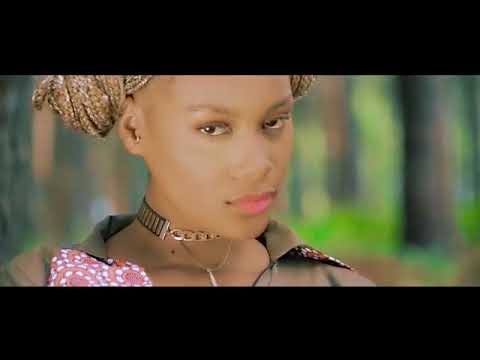
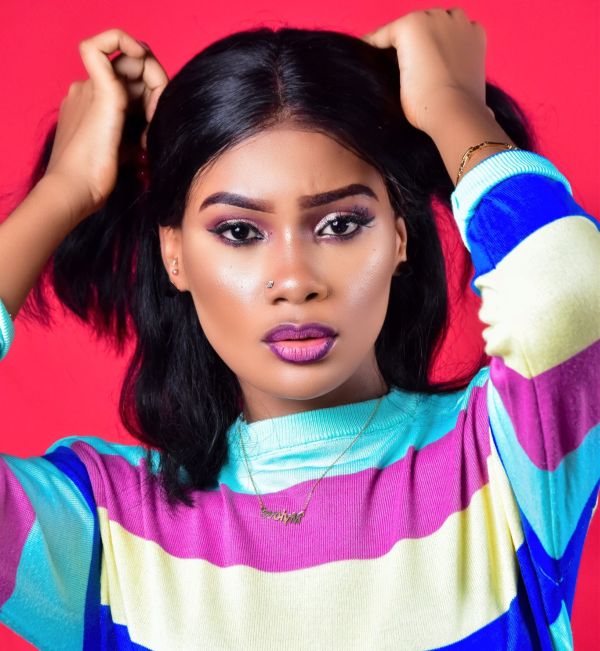
Rebo Tchulo, whose real name is Deborah Tshimpaka Mulanga, is a Congolese singer, dancer, and songwriter born on December 5, 1997, in Kinshasa, Democratic Republic of Congo. Discovered by Ferré Gola’s label FG Production, she is today one of the most influential female voices in Congolese music.
Fact sheet
| Stage name | Rebo Tchulo (also Rebo, Rebo Tshulo) |
| Real name | Deborah Tshimpaka Mulanga |
| Date of birth | December 5, 1997 |
| Place of birth | Kinshasa, DR Congo |
| Nationality | Congolese (DRC) |
| Genres | Ndombolo, Afropop, Congolese rumba, R&B |
| Active since | 2016 |
| Label | FG Production (2017–2021), then independent, then Warner Music |
| First single | Cœur Fragile (2017) |
| Album | Mobambo (2024) |
Biography
Childhood in Barumbu: a voice that refused to be silenced
Some cities produce singers almost by necessity. Kinshasa is one of them. In the working-class commune of Barumbu, where days are measured in resourcefulness and music, a girl named Deborah Tshimpaka Mulanga was born on December 5, 1997. The eldest of three children, she grew up alongside her two younger sisters in a household where economic hardship was a daily reality — but one thing it never managed to silence was her voice.
That voice was first discovered in the choir of a local Protestant church. There, amid songs of faith and hope, a teenager with an unmistakable stage presence began to stand out. But Deborah was never one to fit a mold. Her style, her outfits, her boldness clashed with the reserved world of gospel music, and the controversy eventually led to her expulsion from the choir. What might have looked like an ending turned out to be a beginning: stripped of her religious stage, the young woman didn’t abandon music — she simply found a new one.
The early years: a long apprenticeship in the shadows
Between 2016 and 2017, before the wider public knew her name, Rebo — the nickname was already circulating in Kinshasa’s music underground — worked her way through makeshift stages, neighborhood competitions, and collaborations with equally unknown artists. She recorded several tracks that, lacking promotion and industry connections, never found their audience. It’s a familiar fate for countless African talents swallowed not by a lack of genius, but by a lack of means.
The turning point came in 2017. Ferré Gola — nicknamed the “Jesus of Nuances,” one of the most respected producers and singers on the Congolese scene — noticed this young woman’s distinctive tone and took her under his wing at his label, FG Production. Under his mentorship, she released her first official single, Cœur Fragile (“Fragile Heart”). It didn’t shake the charts yet, but it established a signature: an artist who could hold vulnerability and strength in the same breath.
The breakthrough: Kinshasa learns her name
What Cœur Fragile started, Ni Nani delivered. Released in 2019, the track quickly became the most-watched of her young career — surpassing three million views on YouTube — and cemented Rebo Tchulo’s name firmly in the Congolese capital’s musical conversation. The same year, Biloko proved this success was no fluke.
Then came 2020, and with it Mbote — a song that didn’t just please, it embedded itself. The “Mbote han” hook became a catchphrase repeated in the streets, on social media, at parties. It was the precise moment a promising singer became a household voice — one recognizable in three notes.
In 2021, Rebo Tchulo was nominated — and widely considered the frontrunner — for Best Female Artist, Central Africa at the prestigious AFRIMA Awards, the continent’s highest music honor. A pan-African recognition for an artist who, just four years earlier, had been singing in the anonymity of a Barumbu church.
The career: independence earned, a legend in motion
That same year, 2021, marked a defining rupture: Rebo left FG Production. It was a risky move — stepping away from the mentor who discovered you, in an industry still largely governed by male networks — but she owned it fully. Her declaration of independence had a name: Pepele, a single that shot to number one in several cities across the Democratic Republic of Congo. The point was made: Rebo no longer needed a patron to move an entire country.
What followed was pure acceleration. Contaminée, released in 2022 as she returned to the stage after maternity leave, exploded on arrival — over 380,000 views within a month. Mukaji Internationale, released in 2023 around International Women’s Day, became something of an anthem, praised in cultural media for how it echoed the struggles of African women. That same year, her remix of Loketo went viral on TikTok, carrying Rebo Tchulo far beyond Congolese borders and embedding her in the daily scroll of a connected generation, from Congo to its worldwide diaspora.
In 2024, she reached a new milestone with the release of her debut studio album, Mobambo — Lingala for “business,” or “things,” a fitting title for a woman who now firmly held the reins of her own career. The album was met with enthusiasm and led to a national and international tour, with Rebo performing to packed venues and on prestigious festival stages. Her digital footprint grew in parallel: over 1.2 million followers on Instagram, more than 550,000 on TikTok, and official recognition from YouTube for surpassing 100,000 subscribers on her channel. More recently, several Congolese outlets have reported that she has signed with Warner Music, a major international label — a step that, if confirmed, would make her one of the rare independent Congolese artists to join a global major purely on the strength of her own trajectory.
An influence beyond the music
What makes Rebo Tchulo’s story genuinely remarkable isn’t just that she’s a successful singer — she is, brilliantly so. It’s that she built this career inside a Congolese music landscape where the spotlight has, almost systematically, belonged to men. Singer, dancer, songwriter — at every stage of her rise, she refused to conform: she refused to remain in a mentor’s shadow, refused to follow the expected script for a female artist, refused to go quiet after motherhood, refused to limit her ambition to her country’s borders.
Today, she stands as one of the most listened-to, most talked-about, and most quoted female voices in contemporary Congolese music — a reference point for a new generation of African women artists who, watching her, understand that no ceiling is truly unbreakable.
Discography
Album
- Mobambo (2024)
Key singles
- Cœur Fragile (2017)
- Ni Nani (2019)
- Biloko (2019)
- Mbote (2020)
- Pepele (2021)
- Contaminée (2022)
- Mukaji Internationale (2023)
- Loketo Remix (2023)
Awards & recognition
- AFRIMA Awards 2021 — Nominated, Best Female Artist, Central Africa (widely considered the frontrunner)
- YouTube Creator Award — Official recognition for reaching 100,000 subscribers
- Named by Congolese music press as the most-searched Congolese artist online (2022)
FAQ :
What is Rebo Tchulo’s real name? Her real name is Deborah Tshimpaka Mulanga.
How old is Rebo Tchulo? Born December 5, 1997, in Kinshasa, she is 28 in 2026.
What province is Rebo Tchulo from? Municipality of Barumbu, Province of Kinshasa.
What was Rebo Tchulo’s first song? Her first single, Cœur Fragile, was released in 2017 under FG Production.
Is Rebo Tchulo still with Ferré Gola? No. She left FG Production in 2021 to pursue an independent career.
What genre of music does Rebo Tchulo make? Ndombolo, afropop, Congolese rumba, and R&B.