


Ferre Gola
Ferré Gola — Biography, Age, Origin & Discography
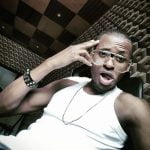
Ferré Gola, born Hervé Gola Bataringe, is a Congolese singer-songwriter, dancer and producer born on March 3, 1976, in Kintambo, Kinshasa (DR Congo, then Zaire). Nicknamed “Le Padré,” he stands today as one of the most iconic voices of Congolese rumba and ndombolo, and one of the rare Central African artists to have filled Paris’s Accor Arena.
Fact Sheet
| Field | Detail |
|---|---|
| Stage name | Ferré Gola |
| Real name | Hervé Gola Bataringe |
| Nickname | Le Padré |
| Date of birth | March 3, 1976 |
| Age | 50 (as of 2026) |
| Place of birth | Kintambo, Kinshasa |
| Country | Democratic Republic of the Congo |
| Home region / commune | Kinshasa (raised between Kintambo, Ngiri-Ngiri and Bandalungwa) |
| Nationality | Congolese (DRC) |
| Genre | Congolese rumba, Ndombolo, Soukous, with pop/world music influences |
| Occupation | Singer, songwriter, dancer, producer |
| Years active | 1994 – present |
| Founding bands | Wenge Musica Maison Mère, Les Marquis de Maison-Mère, Quartier Latin International |
| First single (solo) | “Sens interdit” (2006) |
| First album (solo) | Sens interdit (December 2006) |
| Latest album | Dynastie 2, Volume I (2023) |
| Label / status | Sony Music Africa |
Biography
Childhood: music, above everything else
Some kids dream of becoming firefighters, footballers, or pilots. Hervé Gola Bataringe dreamed of the stage. Born on March 3, 1976, in the Kintambo commune of Kinshasa, he grew up between the Ngiri-Ngiri and Bandalungwa neighborhoods, raised by his mother alongside his siblings. And early on — really early — music became an obvious calling: the kid would sneak off after school to watch neighborhood bands rehearse, hanging around wherever people were singing and dancing, soaking it all up like a sponge.
His role models weren’t chosen at random: Franco Luambo and the legendary TP OK Jazz, Tabu Ley Rochereau, Simaro Lutumba, King Kester Emeneya, and of course Papa Wemba — the King of Rumba himself. Some accounts also credit broader Pan-African influences like Youssou N’Dour and Salif Keita. Suffice to say, young Hervé wasn’t exactly raised on half-measures.
His actual start happened on the streets, in the noblest sense of the word: he joined a first neighborhood group, then Staff London in Ngiri-Ngiri, before joining, once the family had relocated to Bandalungwa, the band Rumba des Jeunes. With this group, he opened for Wenge Musica concerts — and that’s where, quite literally backstage of his own destiny, everything would change.
The breakthrough: spotted by Werrason
1995. A community fair is held in Bandalungwa ahead of a Wenge Musica concert. Rumba des Jeunes opens the show. And somewhere in that crowd — or rather, backstage — stands Werrason, already a living legend of Congolese music. He notices this young singer with a distinctive voice and magnetic stage presence. Love at first listen. Werrason recruits him into Wenge Musica, alongside names that would also become legendary: JB Mpiana, Alain Mpela, Blaise Bula, among others.
Ferré Gola stayed with Wenge Maison Mère for seven years, from 1997 to 2004 — seven years of stages, learning, touring, and artistic complicity that forged the singer he would become. It was also during this period that he wrote or performed songs that already left a mark, including “Vita Imana,” “Victime d’amour,” “100 Kilos,” “Amour Intérêt,” and “Insecticide.”
Going independent: The Marquis, then Quartier Latin
In 2004, Ferré Gola made a decision that would reshape his path: he left Werrason to co-found Les Marquis de Maison-Mère with J.D.T. Mulopwe and Bill Clinton Kalonji, both also Wenge Musica alumni. Then, in 2005, another turn: he joined Koffi Olomidé’s Quartier Latin International, one of the other giants of the Congolese scene. He stayed a year — just long enough to gauge his own artistic firepower — before taking, in 2006, the most decisive step of his career: going solo.
The solo breakthrough
December 2006: release of Sens interdit, Ferré Gola’s debut solo album. The message was clear — he was no longer a group’s voice, but a signature all his own. 2008 brought Lubukulukumu, a two-track maxi single including a song dedicated to his sponsor Primus and a remixed version of “Vita Imana.”
Then, on October 15, 2009, came the thunderclap: Qui est derrière toi ?, eighteen tracks that would leave a lasting mark on modern rumba — “Maboko Pamba” (meaning “empty hands” in Lingala), “Zazou,” “Soké,” “Kamasutra,” “3e Doigt,” “Béquille,” “Diki Diki,” and “12 Heures.” This album firmly established Ferré Gola as a reference for melody and emotional songwriting — his lyrics, often built around love, melancholy, and everyday heartbreak, reached an ever-wider audience well beyond the DRC’s borders.
2011 brought the EP Avant-Goût (four tracks), followed in 2013 by Boîte Noire (sometimes released in two volumes under the subtitle Jésus de Nuances), an album that confirmed his artistic maturity. The momentum continued with the EP Dérangement in 2014.
2017 marked another milestone: after several delays, the album QQJD was released on June 9, 2017, in three editions — Red, Blue and Gold — a nod to the colors of the Congolese flag, each containing eleven tracks. On release day, the three volumes ranked 1st, 2nd, and 3rd respectively on iTunes in the World Music category — a performance that speaks for itself.
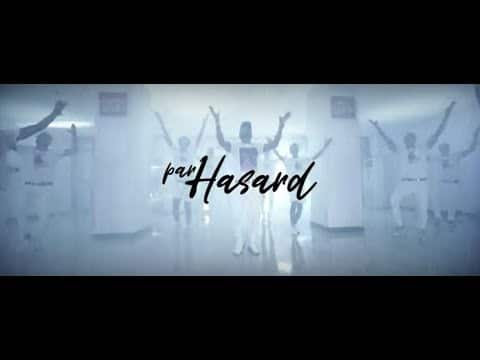
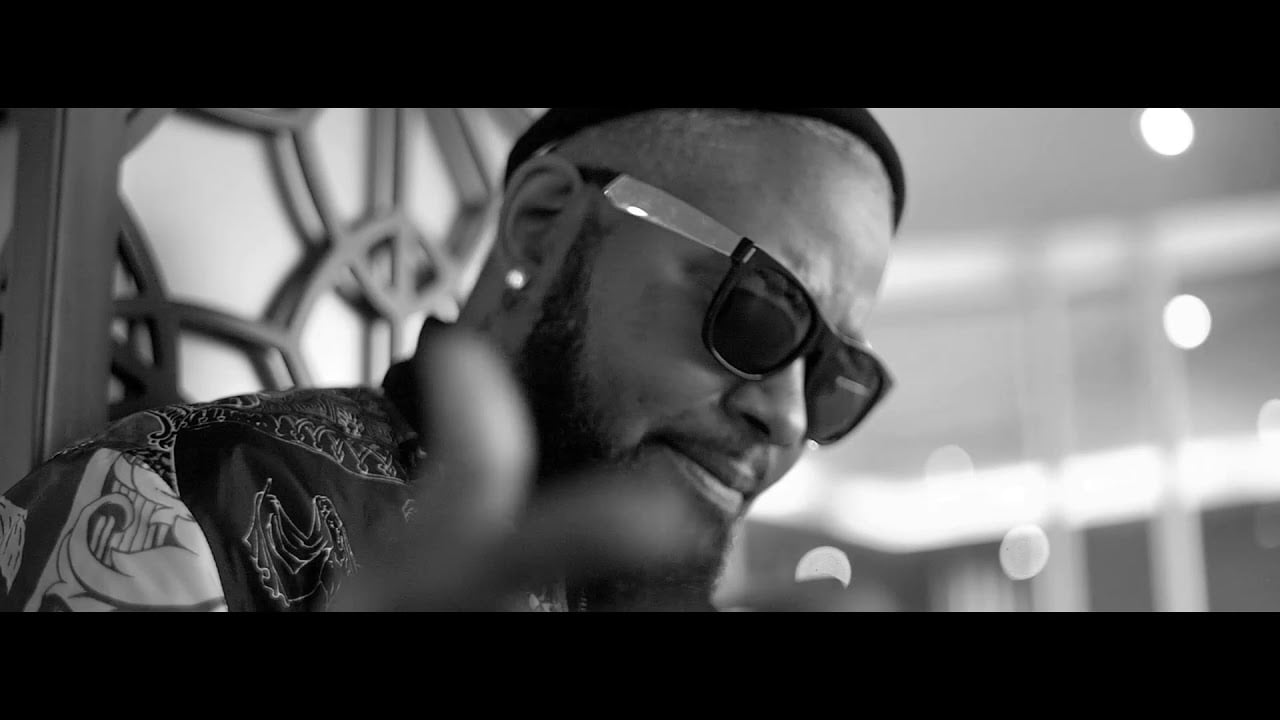
What followed was a patient chapter: Ferré Gola spent five years perfecting his next project, Dynastie, punctuated along the way by the singles “Regarde-moi,” “Vibes,” “Pyromane” (whose music video reportedly outperformed those made by Maître Gims and Fally Ipupa for the same music channel, Trace — no small feat) and “Rumba Trap.” Dynastie was finally released in 2022, followed by Dynastie 2, Volume I in October 2023, driven notably by the track “Visas,” whose video has surpassed 9.8 million views.
During the COVID-19 pandemic, in May 2020, he also made an impression with Home Acoustique, an intimate live acoustic set filmed from home to encourage people to stay indoors — an initiative praised and later echoed by other Congolese artists.
An uncrowned king — with a very real throne
Since Papa Wemba’s passing in 2016, Ferré Gola has regularly been named among the legitimate heirs to the title of “king of Congolese rumba.” His nickname “Le Padré” — given, by his own account, by an Italian fan — reads like a respectful nod to the man once called “Papa” Wemba: an artistic lineage he embraces without ever copying. Ferré Gola has built his own distinct vocal and melodic identity, blending traditional rumba, ndombolo, and pop/world excursions.
In December 2025, he became the sixth Congolese artist based in the country to perform at Paris’s Accor Arena — joining an extremely select circle that includes Koffi Olomidé, Werrason, JB Mpiana, Papa Wemba, and Fally Ipupa. A crowning achievement that says everything about the road traveled since those street rehearsals in Ngiri-Ngiri.
Discography (main albums and EPs)
- Sens interdit (2006)
- Lubukulukumu — Maxi single (2008)
- Qui est derrière toi ? (October 15, 2009)
- Avant-Goût — EP (2011/2012)
- Boîte Noire (2013)
- Dérangement — EP (2014)
- QQJD — Red / Blue / Gold editions (June 9, 2017)
- Home (Acoustique) (2020)
- Dynastie (2022)
- Dynastie 2, Volume I (October 2023)
Awards and recognition (selection)
- 2012 — Nomination, Best Male Central Africa, Kora Awards (for “Tchekele Pete”)
- 2014 — Nomination, Best Francophone, MTV Africa Music Awards
- 2014 — Nomination, Best Male Central Africa, Africa Muzik Magazine Awards
- 2017 — Winner, Best African Artist, Canal 2’Or (Cameroon), awarded in the presence of Cameroon’s First Lady Chantal Biya
- 2025 — Sixth Congolese artist based in DRC to perform at the Accor Arena in Paris
FAQ
How old is Ferré Gola? Born on March 3, 1976, Ferré Gola is 50 years old as of 2026.
What is Ferré Gola’s real name? His legal name is Hervé Gola Bataringe. “Ferré Gola” is his stage name, and “Le Padré” his affectionate nickname.
Which artists inspired Ferré Gola? He cites Franco Luambo (TP OK Jazz), Tabu Ley Rochereau, Simaro Lutumba, King Kester Emeneya, and Papa Wemba as key influences, alongside broader Pan-African figures such as Youssou N’Dour and Salif Keita.
What is Ferré Gola’s home region in the DRC? He was born and raised in Kinshasa, between the communes of Kintambo, Ngiri-Ngiri and Bandalungwa.
What music genre does Ferré Gola perform? Primarily Congolese rumba and ndombolo, with occasional pop and world music influences on more recent tracks.
Why is Ferré Gola nicknamed “Le Padré”? By his own account, the nickname was given to him by an Italian fan — a respectful nod to the stature “Papa” Wemba once held in Congolese music, without imitating it.
Social Media
- Facebook : facebook.com/ferreGolaOfficiel
- Instagram : instagram.com/ferregola_lepadre (official account, ~3M followers)
- X (Twitter) : x.com/ferregola
- YouTube : youtube.com/channel/UC50C2EVYREngY7d_ujAFp5w
- TikTok : tiktok.com/@ferregola_lepadre